
What is Mat Pilates?
Excerpt from the wel•lam Mat Pilates Training Manual:
Pilates is an effective movement practice that reaches the deep muscles of the body, particularly around the base of the spine and the abdominals. It improves posture and balance, builds strength and flexibility, and increases breath capacity. Beyond strength and alignment, Pilates is also rehabilitative, helping to restore functional movement patterns and support overall well-being.
Mat Pilates is the foundation of the Pilates method. Before the Reformer or any apparatuses existed, Joseph Pilates developed his exercises using only the body and the floor. It may look simple, but it is highly intentional and focused on control, alignment, breath, and mindful movement. Every exercise is designed to help you move more efficiently and feel more supported in your body whether it’s just you and your mat or with the addition of a small prop like a ball, ring, or resistance band.
As his method evolved, Pilates realized that many of the exercises were challenging and a lot of people couldn’t perform them on the mat. To make the movements more accessible for the general public, he created an apparatus using springs, straps, and pulleys to assist with the movements. The apparatus (known today as the Reformer), not only assisted people with each exercise, it also allowed people to challenge themselves with the varying springs and refine their movement, preparing them for the demands of Mat Pilates.
Mat Pilates is often considered the backbone of the Pilates method because it teaches body awareness, internal strength, and controlled movement that carries over into all other forms of Pilates.
What Makes Mat Pilates Different?
Unlike workouts that rely on speed, repetition, heavy weights or high resistance, Mat Pilates emphasizes:
Controlled, precise movement
Deep core strength and postural awareness
Breath coordination
Balanced muscle engagement
Mat Pilates challenges you to build strength and stability from within because you use your body weight as the main source of resistance.
Another defining feature of Mat Pilates is its accessibility. It can be practiced anywhere—at home, in a studio, or outdoors—all you need is a mat!
The Many Benefits of Mat Pilates
Mat Pilates supports both daily movement and long-term physical health. Because it focuses on movement quality rather than intensity, it builds strength in a thoughtful and sustainable way. Those who practice Mat Pilates regularly will see these amazing benefits:
Improved core strength: Mat Pilates strengthens the deep abdominal and postural muscles that support the spine, helping you feel more stable and supported in everyday movement.
Better posture and alignment: By increasing awareness of how your body moves and holds itself, Mat Pilates helps counteract common postural habits like slouching or overusing certain muscle groups.
Enhanced mobility and flexibility: Through controlled movement and gentle stretching, Mat Pilates improves joint mobility and helps release tension, especially in the hips, spine, and shoulders.
Low-impact and joint-friendly: Due to its low-impact movements, Mat Pilates is a wonderful option for most people and can be modified to support those managing injuries, chronic pain, or special conditions.
Encourages mindful movement: By connecting breath to movement, Mat Pilates helps you slow down and tune into how your body feels rather than pushing through discomfort.
What Does a Mat Pilates Class Look Like?
A Mat Pilates class typically includes:
A gentle warm-up and breathwork
Shapes and movements from Joseph Pilates’ original 34 mat exercises
Strength and mobility work for the hips, shoulders, legs, and back body
Intentional core integration throughout
Thoughtful transitions and purposeful sequencing
A short cool-down or stretch
Mat Pilates is taught in group classes or private sessions, depending on your personal needs and goals.
How Does Mat Pilates Compare to Other Floor-Based Workouts?
It’s becoming more common to hear people say, “The class was called Mat Pilates, but it felt more like a generic workout class.” While all types of exercise classes have value, authentic Mat Pilates follows a structured method rooted in control, precision, and purposeful sequencing.
Even though Mat Pilates is performed on the floor, it is very different from ab workouts or classes like Sculpt or “Hiit Pilates.” The goal with Mat Pilates is not to exhaust the body with intensity or high repetitions—it is to improve how the body moves.
Unlike Sculpt and Hiit Pilates, Mat Pilates classes use purposeful sequencing of the original 34 exercises, with each movement building on the one before to progressively warm up the body, build strength and control, challenge coordination, and restore balance.
Mat Pilates is less about intensity and more about intention, making it accessible to nearly everyone. In fact, many Mat Pilates certifications (including through wel•lam academy), instruct teachers on how to teach every body, no matter where they are in their movement journey.
At wel•lam academy, the original exercises create the structure, while therapeutic and mobility-based elements are layered in to support the individual in front of you. Teachers who go through wel•lam’s certification learn how to honor the method while adapting it thoughtfully for the needs of today’s clients.
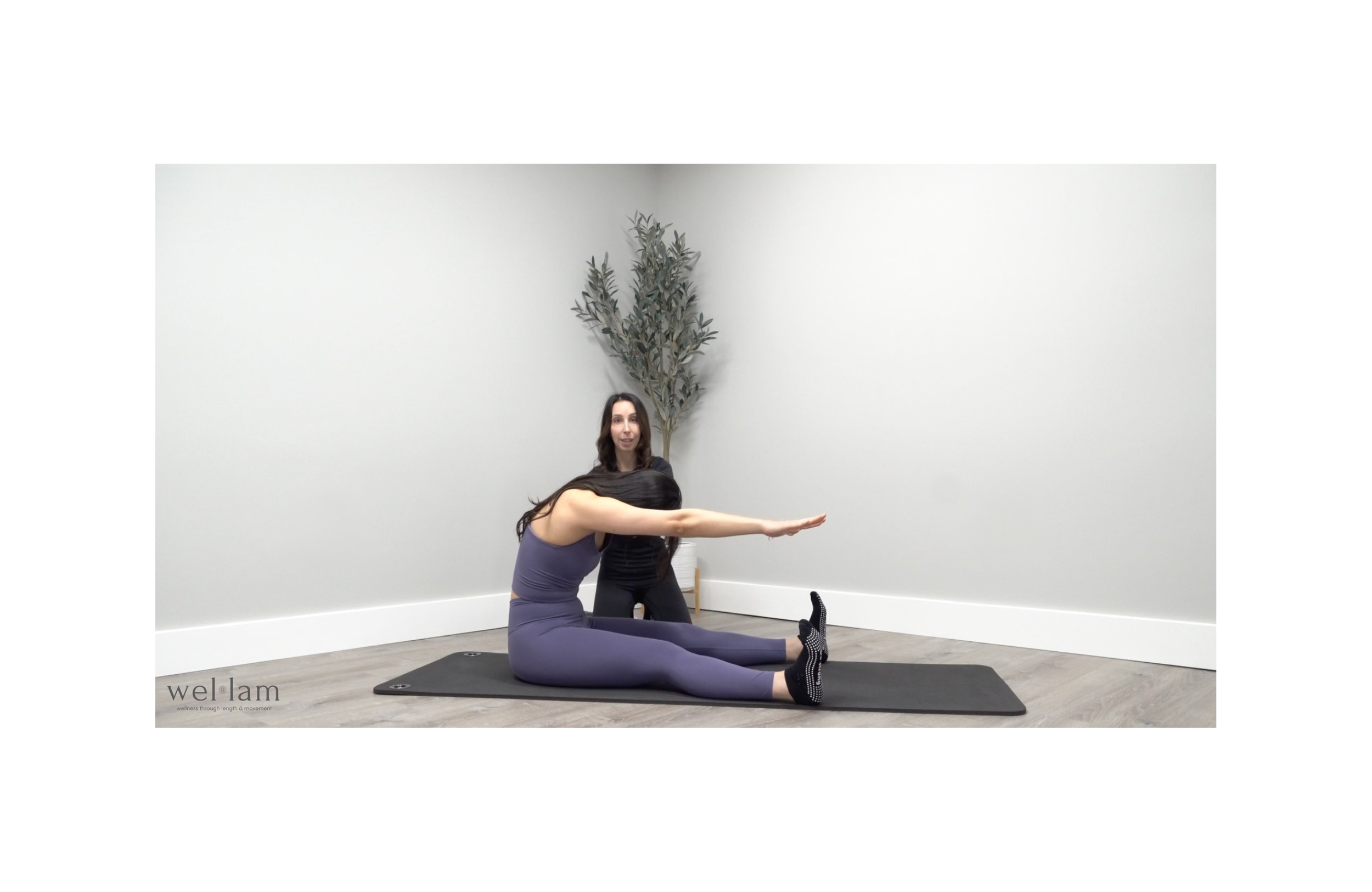
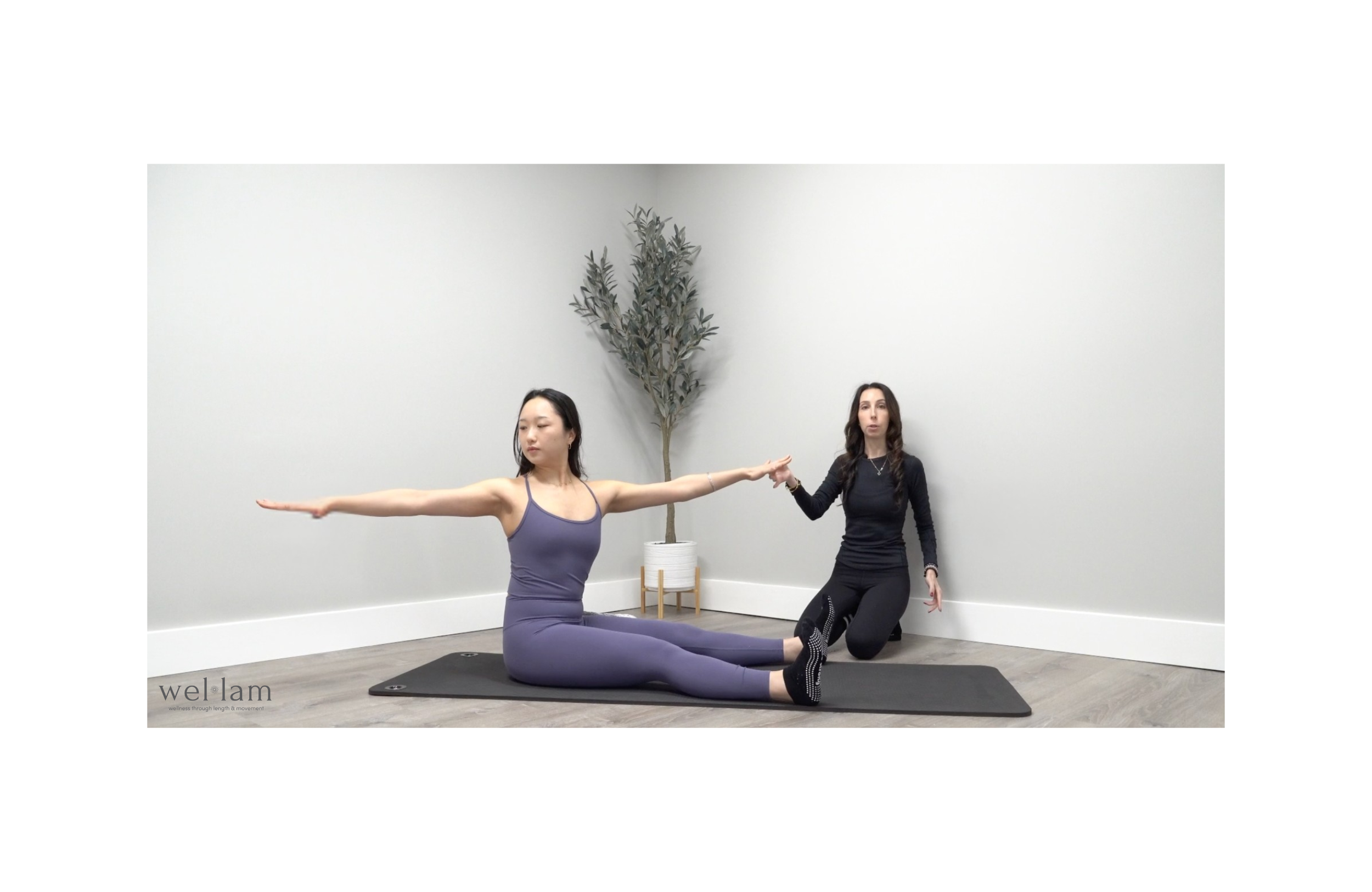
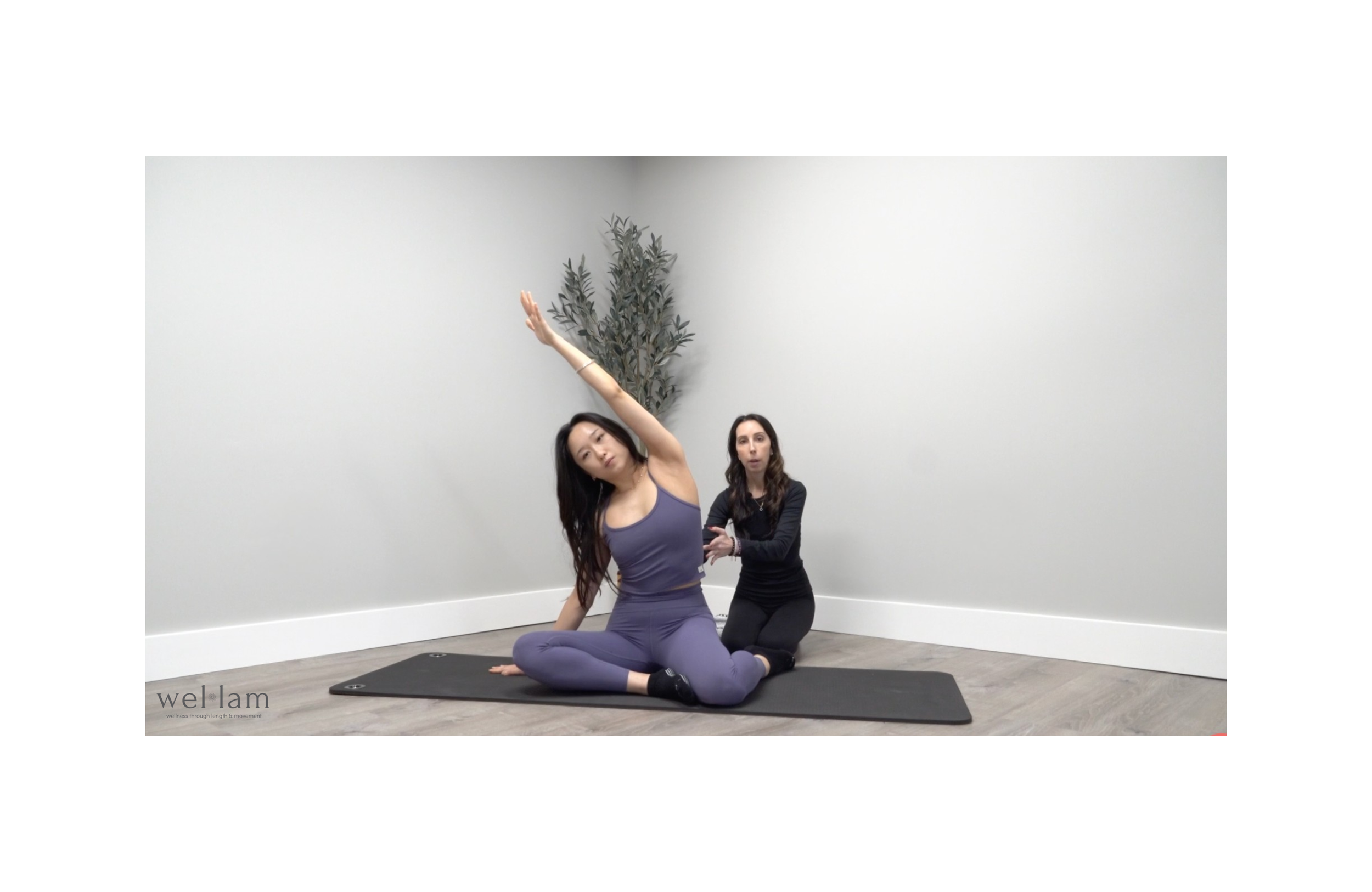
Give it a Try! Beginner Mat Pilates Exercises to do at Home
If you are new to Mat Pilates, these foundational exercises are a great place to start:
Spine Stretch Forward: promotes spinal mobility and postural awareness
Spine Twist: builds rotational strength and control
Mermaid: encourages lateral flexibility and ease through the spine
Much More than Floor Exercises
Mat Pilates is more than just floor exercises—it is a foundational movement practice that teaches awareness, strength, and control with benefits that will make you feel amazing!
Whether you are new to Pilates or returning after time away, Mat Pilates offers a supportive way to reconnect with your body and build long-term resilience.
Can you envision yourself teaching Mat Pilates?
Join the waitlist for my next Mat Pilates Teacher Training! You'll receive priority access to registration before enrollment opens to the public, giving you the best chance to secure your spot before the training fills. For all the details about the training and to join the waitlist, click HERE!
With love,
Lia